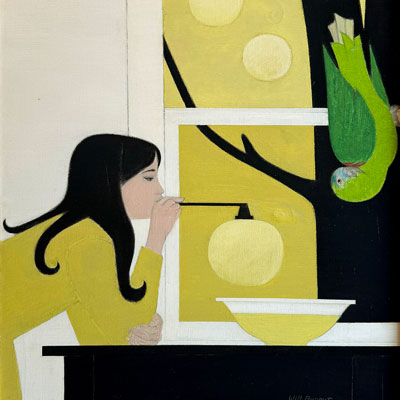
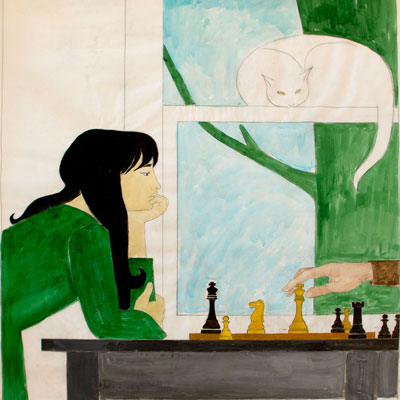
Born in 1911 in Beverly, Massachusetts, as a child Barnet enjoyed climbing the hills to watch the ships in the harbor, playing baseball, and reading at the local public library. He was delighted to discover the art section. As he remembers, " I used to bury myself in those rooms day after day. It was practically my whole life. That's where my first yearning for art began." At the age of 12 he established a studio in his parent's basement where he drew and painted. He made frequent trips to Boston and Salem to explore the collections of the Peabody and the Museum of Fine Arts, Boston. Continually dissatisfied with high school, in his last year he decided to leave. In 1927 Barnet enrolled at the School of the Museum of Fine Arts in Boston where he learned drawing, painting, anatomy, and art history in the European tradition.
After several years, Barnet decided to continue his study at the Art Student's League in New York, where he developed an interest in lithography, etching, and woodcutting. Between 1932 and 1942, Barnet became an avid printmaker, using the medium to capture the economic and social despair of the Depression years. He was a member of the Graphic Art Division of the Works Progress Administration Federal Art Project and knew José Clemente Orozco, for whom he printed lithographs, and Diego Rivera. In 1935, he married painter and fellow student Mary Sinclair, and the following year was appointed instructor of graphics at the Art Student's League. He would subsequently teach at the New School for Social Research, New Jersey State Teachers College, and Cooper Union in New York.
Following the birth of his first son in 1938, Barnet made his wife and children his sole artistic subjects. He painted scenes of domesticity, using bright, emotive colors. Focusing on images of family, Barnet was "trying to purge himself of the subject, searching for the essence in the act of painting." However, this period of domestic harmony was short-lived, as Barnet divorced his wife in 1952, and the following year married the modern dancer Elena Ciurlys.
Throughout the 1950s and into the early 1960s, Barnet painted abstractly, moving from the figure to cityscape and landscape painting. Although he lived in Manhattan, he traveled frequently during this period in America and Europe. He spent summers in Provincetown, Massachusetts, in Duluth, Minnesota, where he taught a 1959 summer session at the University of Minnesota, and in Spokane, Washington, where he taught during the summer of 1963. While these trips fueled his interest in representing the American landscape through form and color, in the early 1960s the figure reappeared as the primary subject in Barnet's art. He painted portraits of his wife and daughter, as well as friend and artist Henry Pearson and collector Roy R. Neuberger. By the 1970s, he joined his interest in figurative and landscape painting in works that combined the female form with the organic images of forest, sky, and sea.
Over the course of his career, Barnet exhibited extensively both in galleries and at major museums. His works are in the collections of the Metropolitan Museum of Art, the Philadelphia Museum of Art, the Whitney Museum of American Art, the Guggenheim Museum, the Tweed Museum of Art, University of Minnesota, the Museum of Modern Art, the University Art Museum, University of California at Berkeley, and the Pennsylvania Academy of the Fine Arts, Philadelphia.
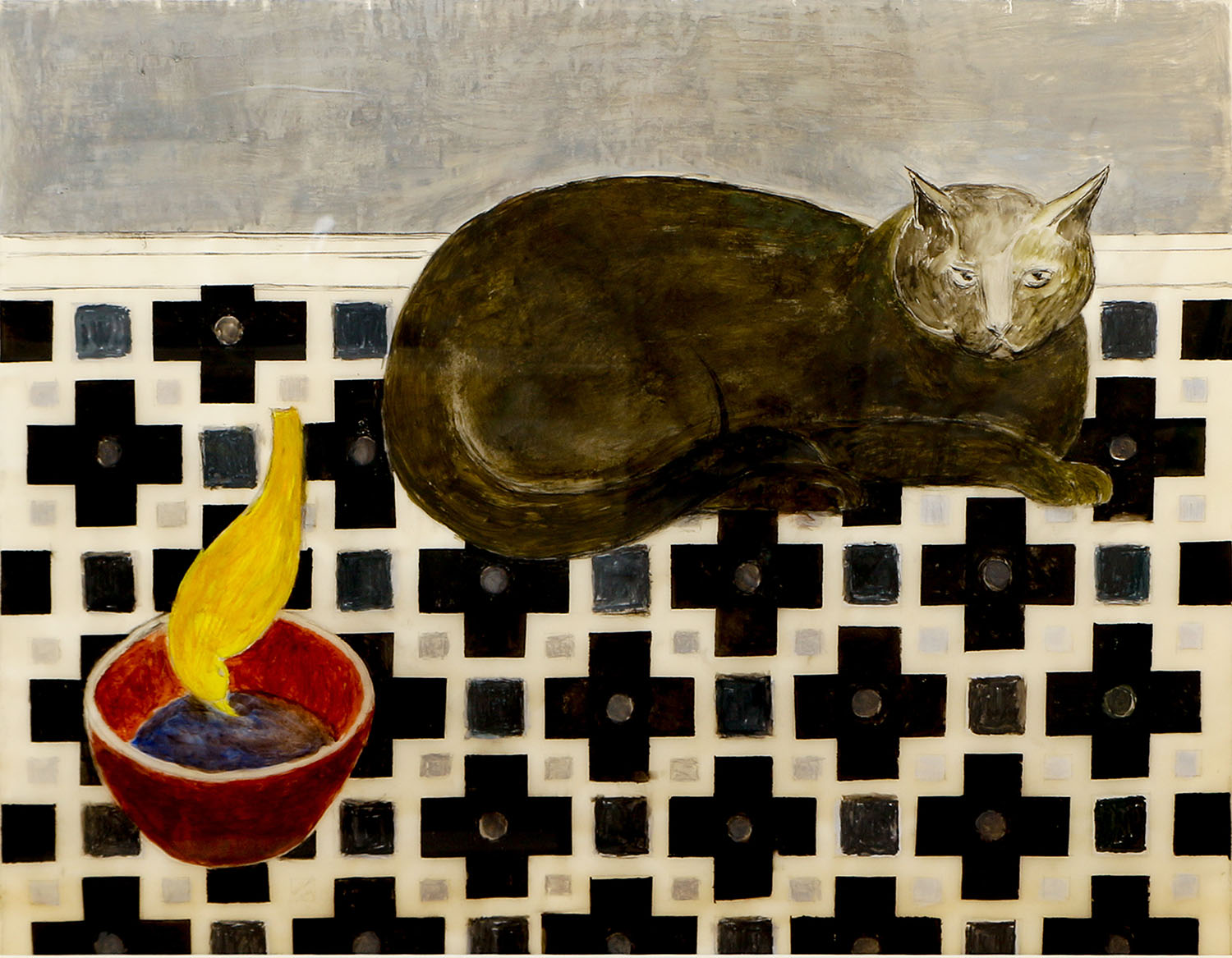
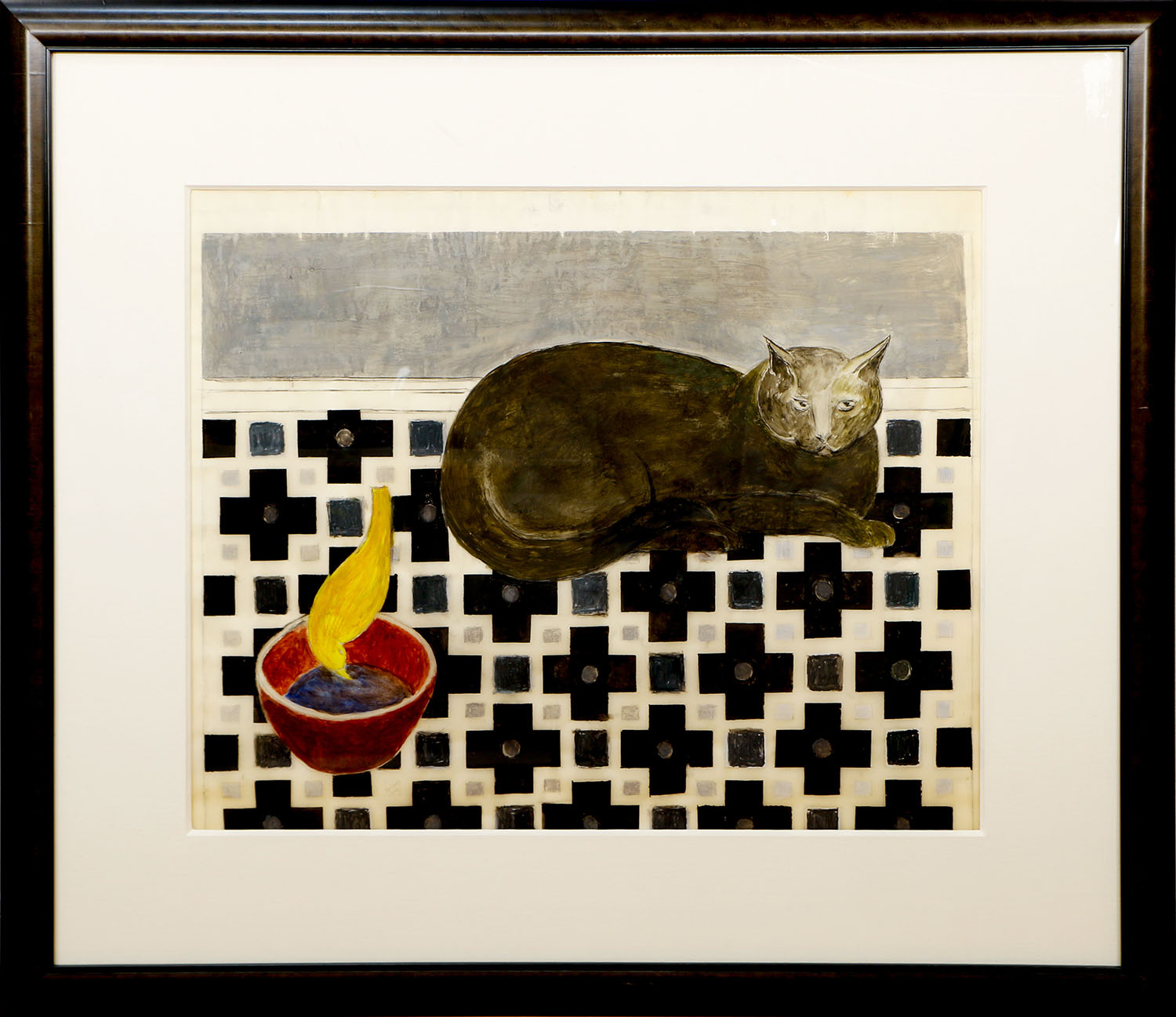
**ADDITIONAL PAINTINGS BY THE ARTIST CURRENTLY IN INVENTORY. PLEASE CONTACT GALLERY FOR DETAILS.**


.png)