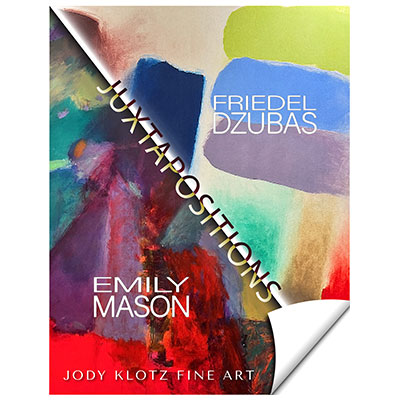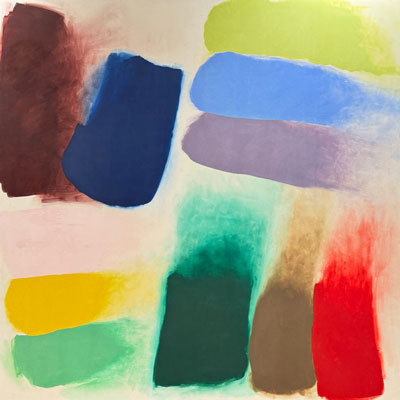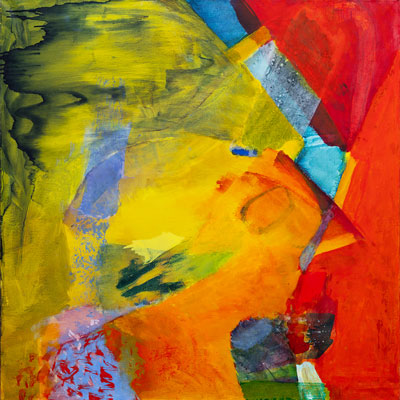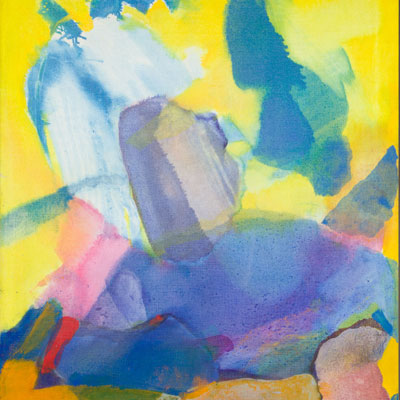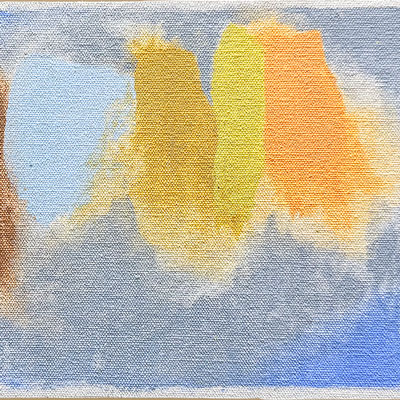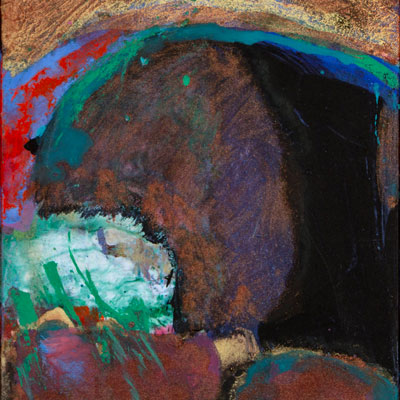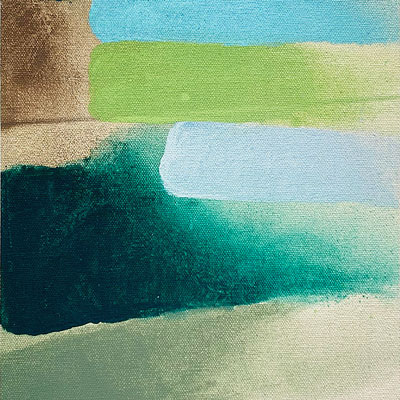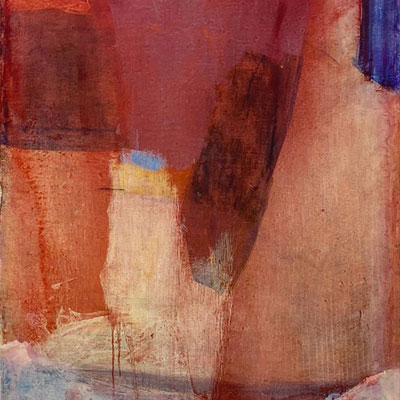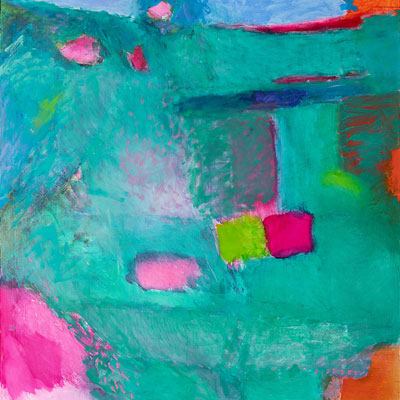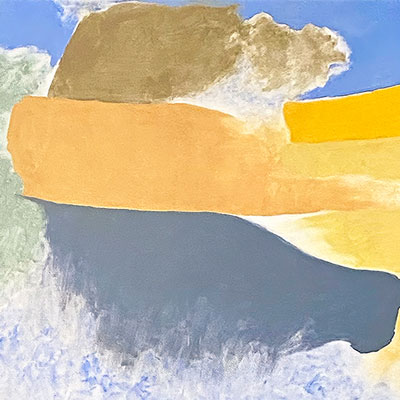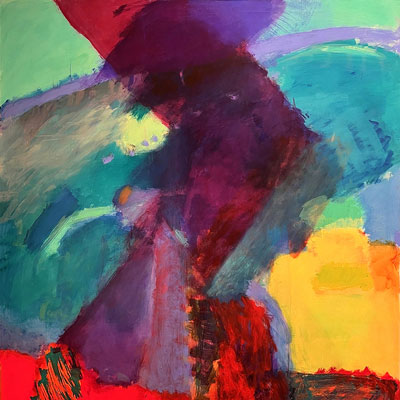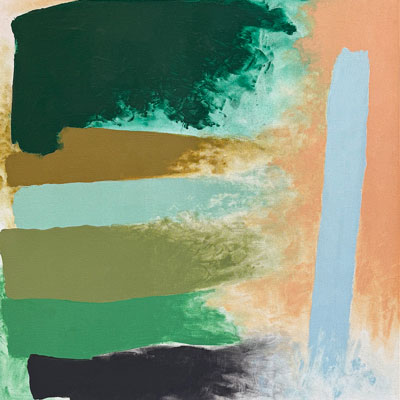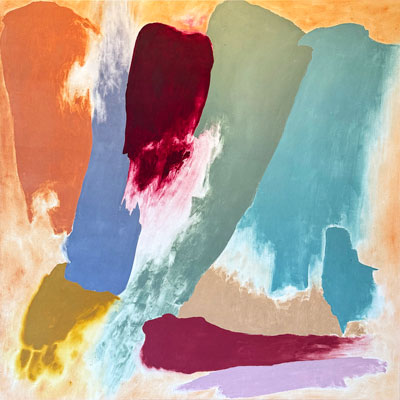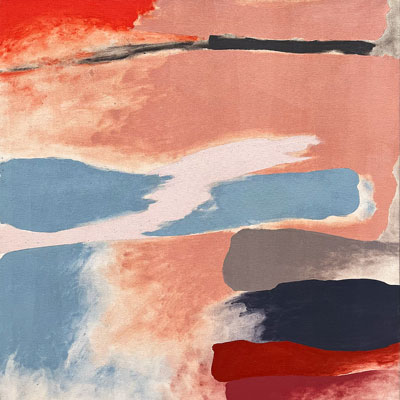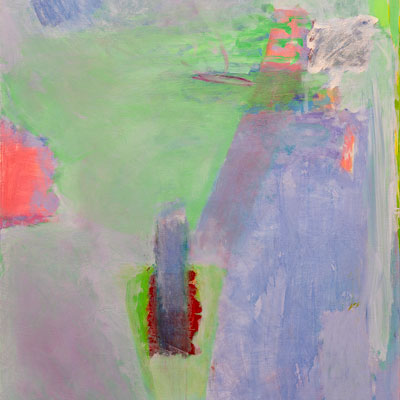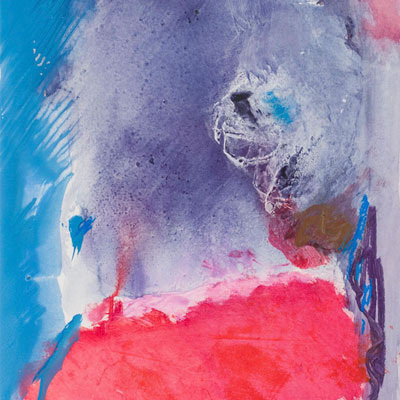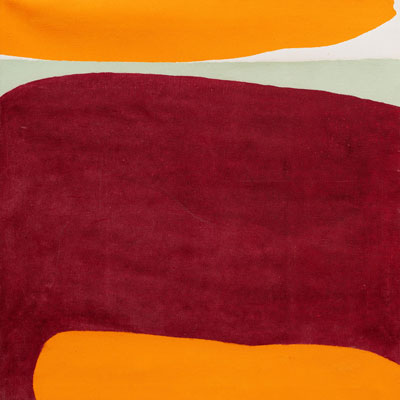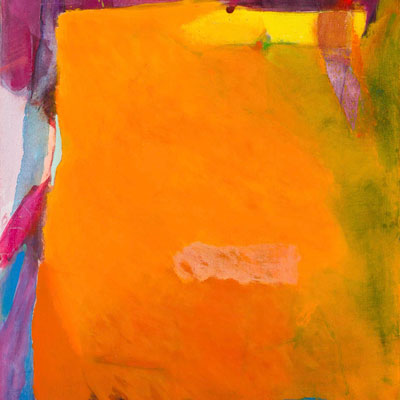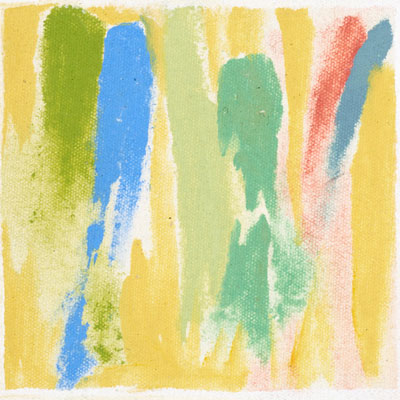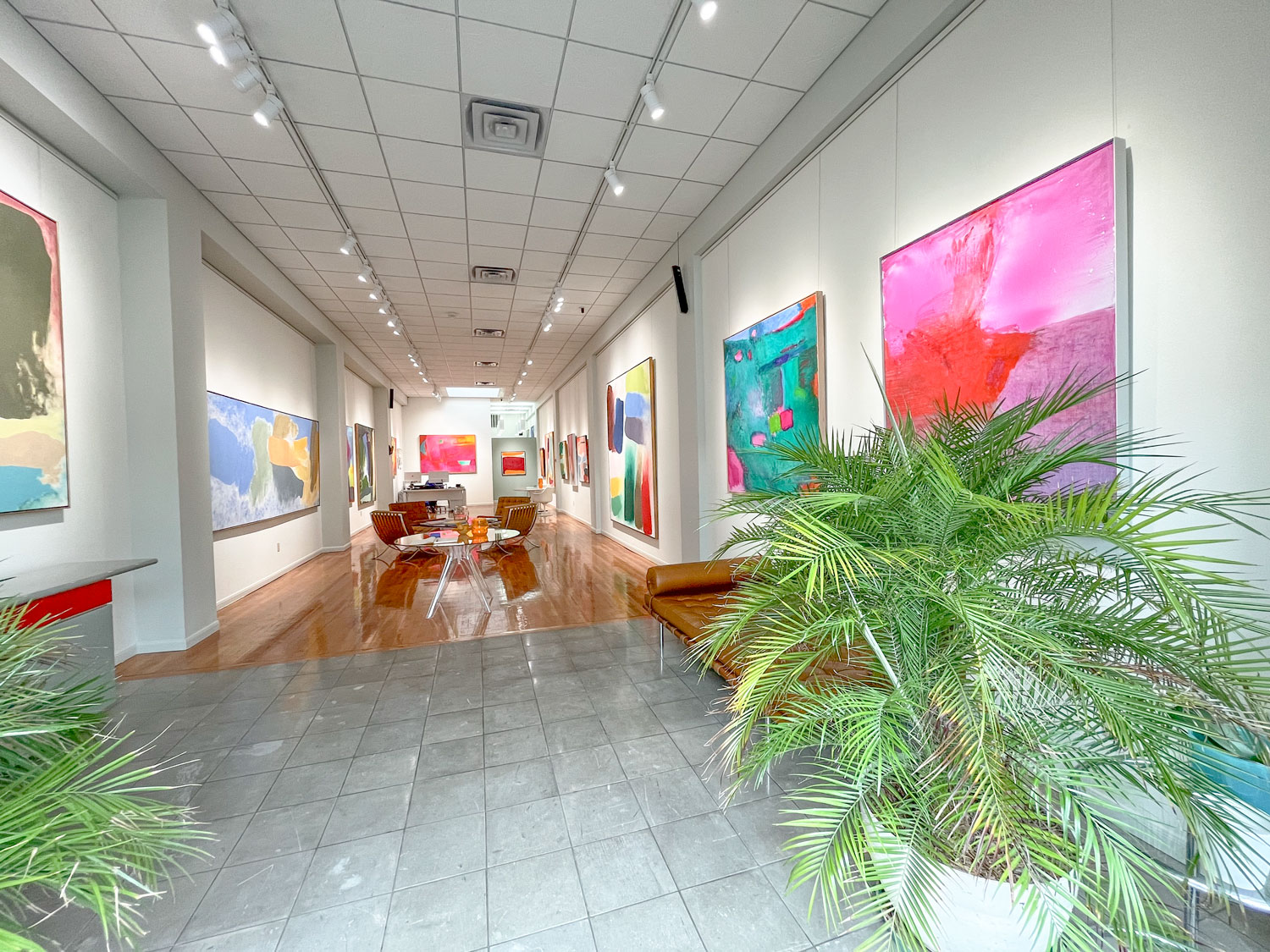
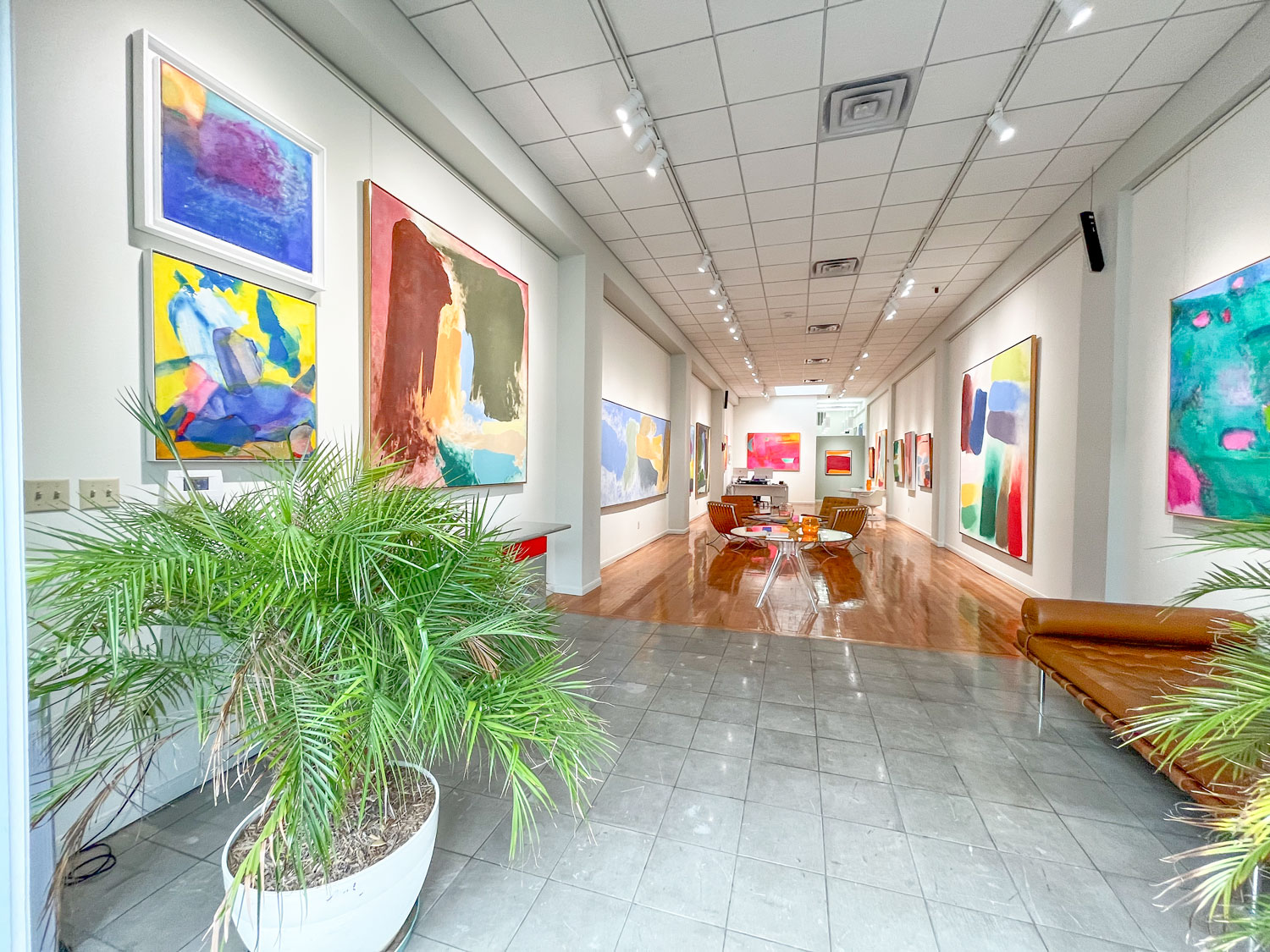
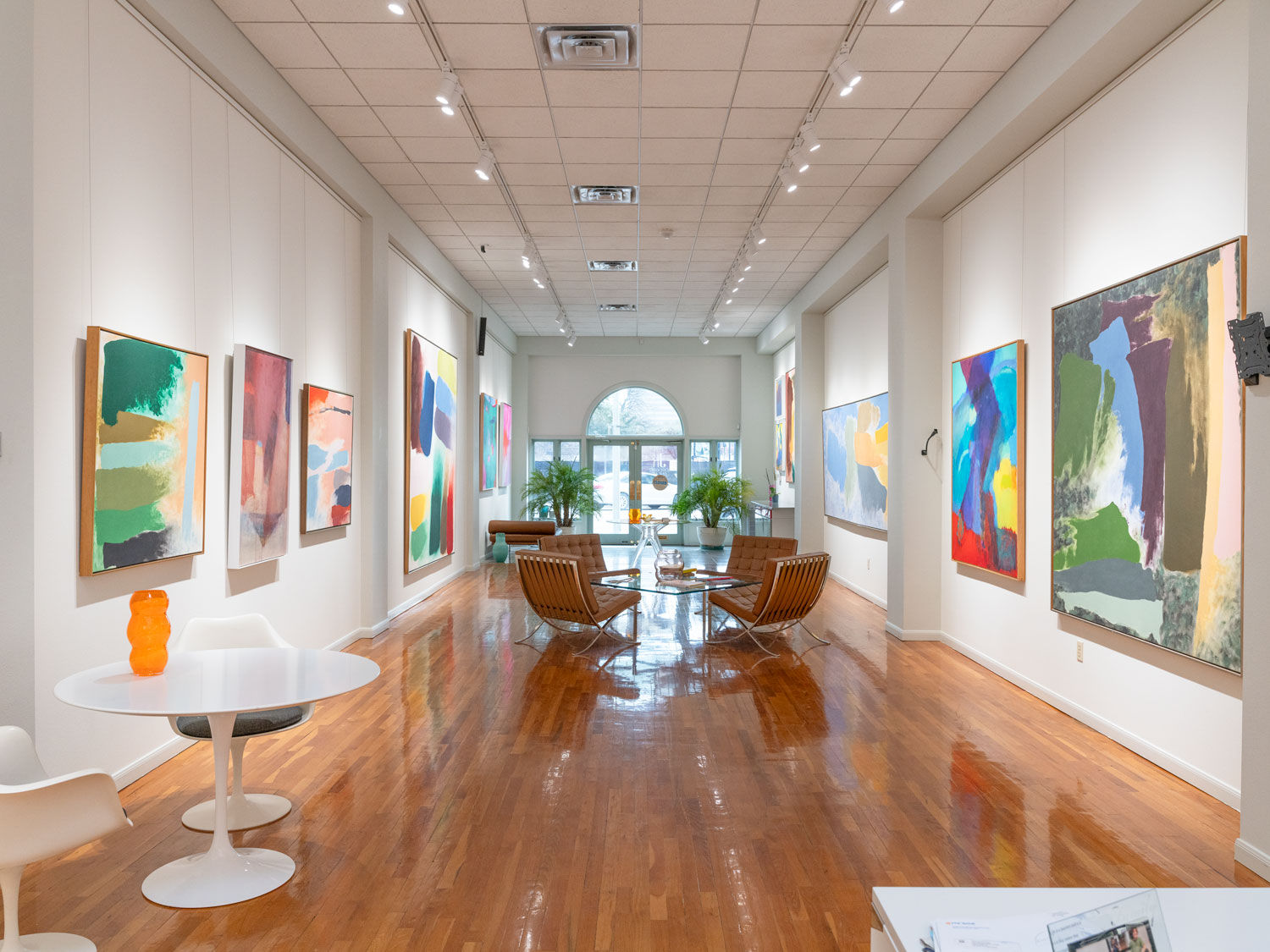
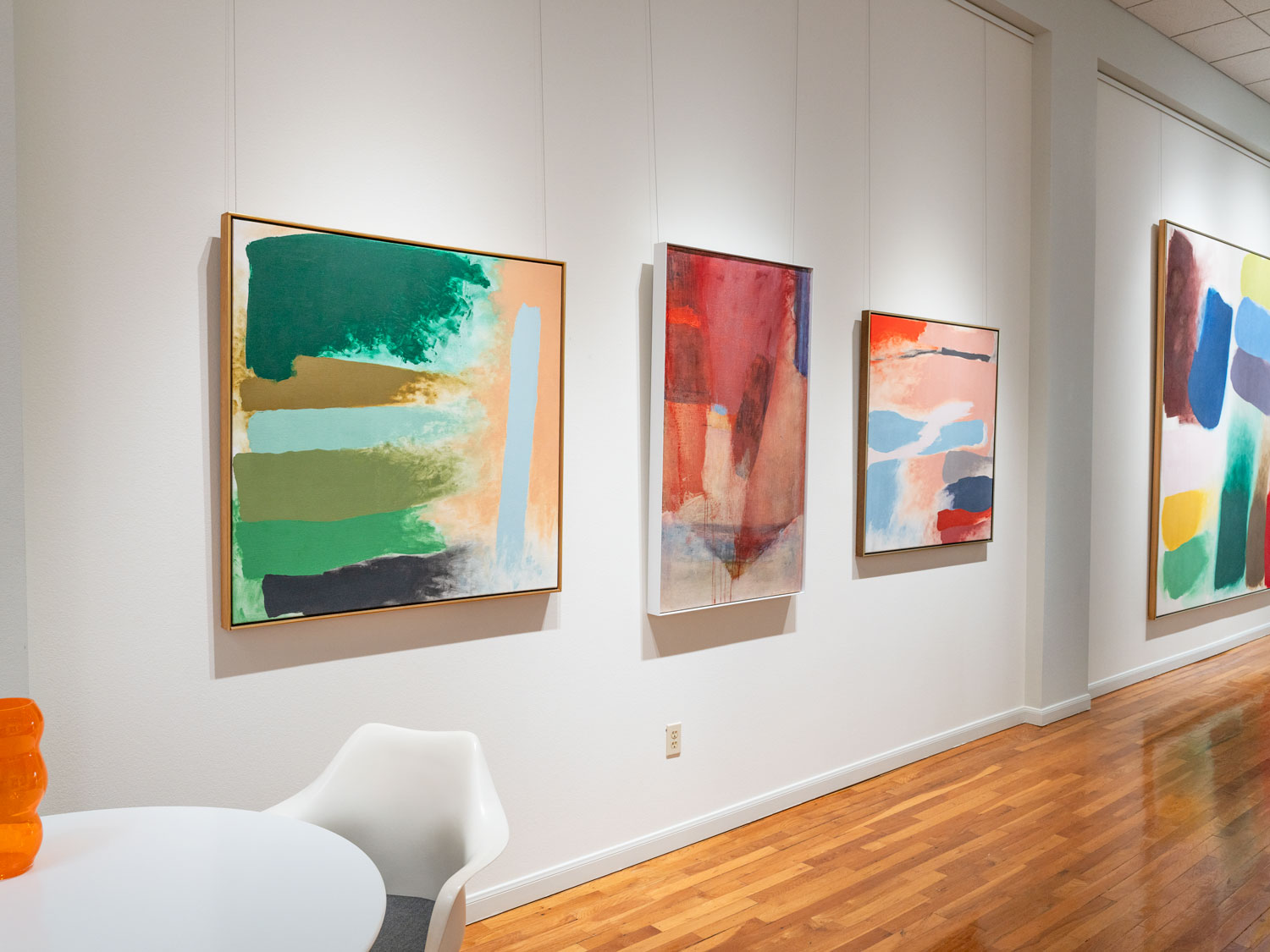
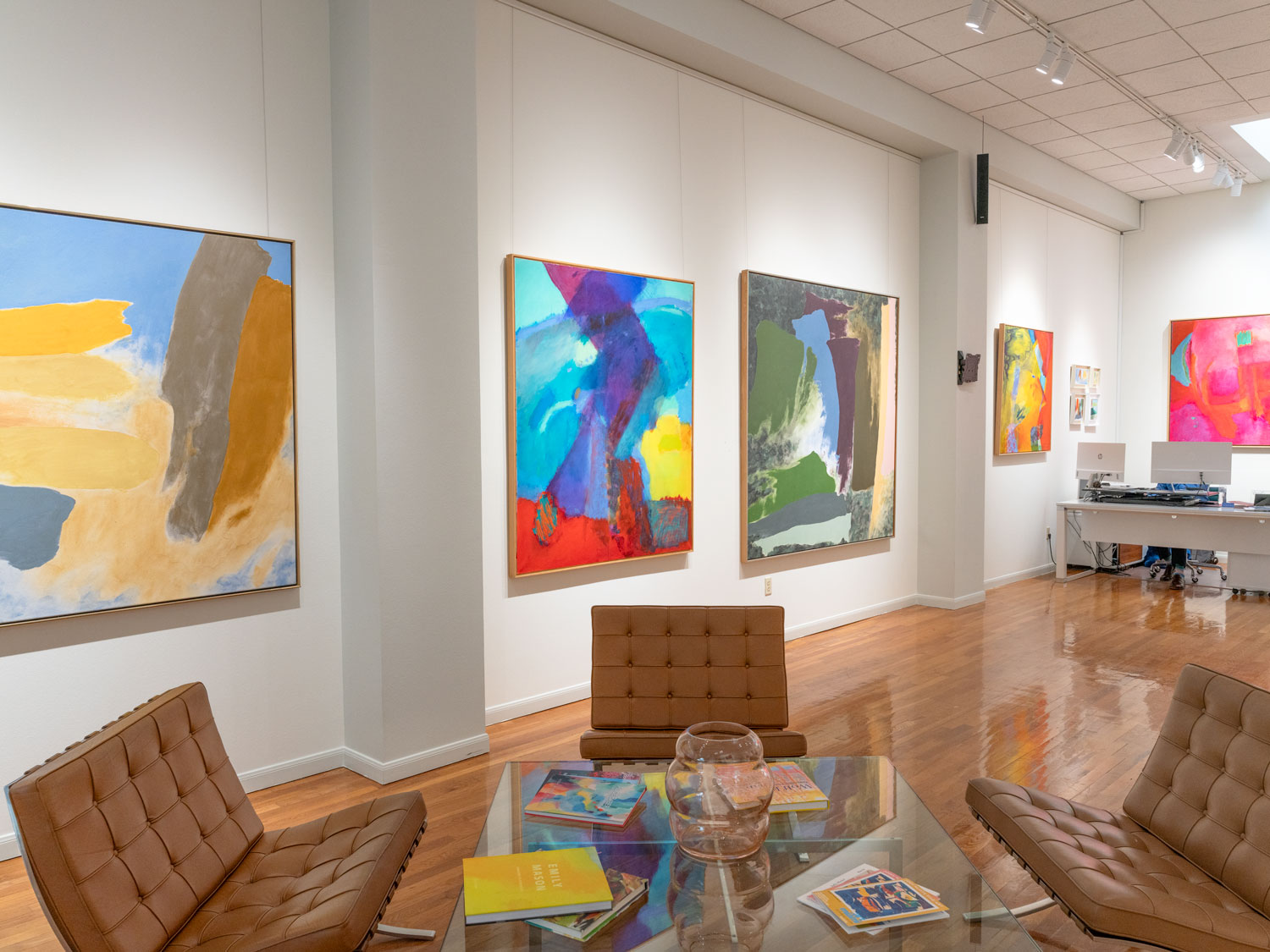
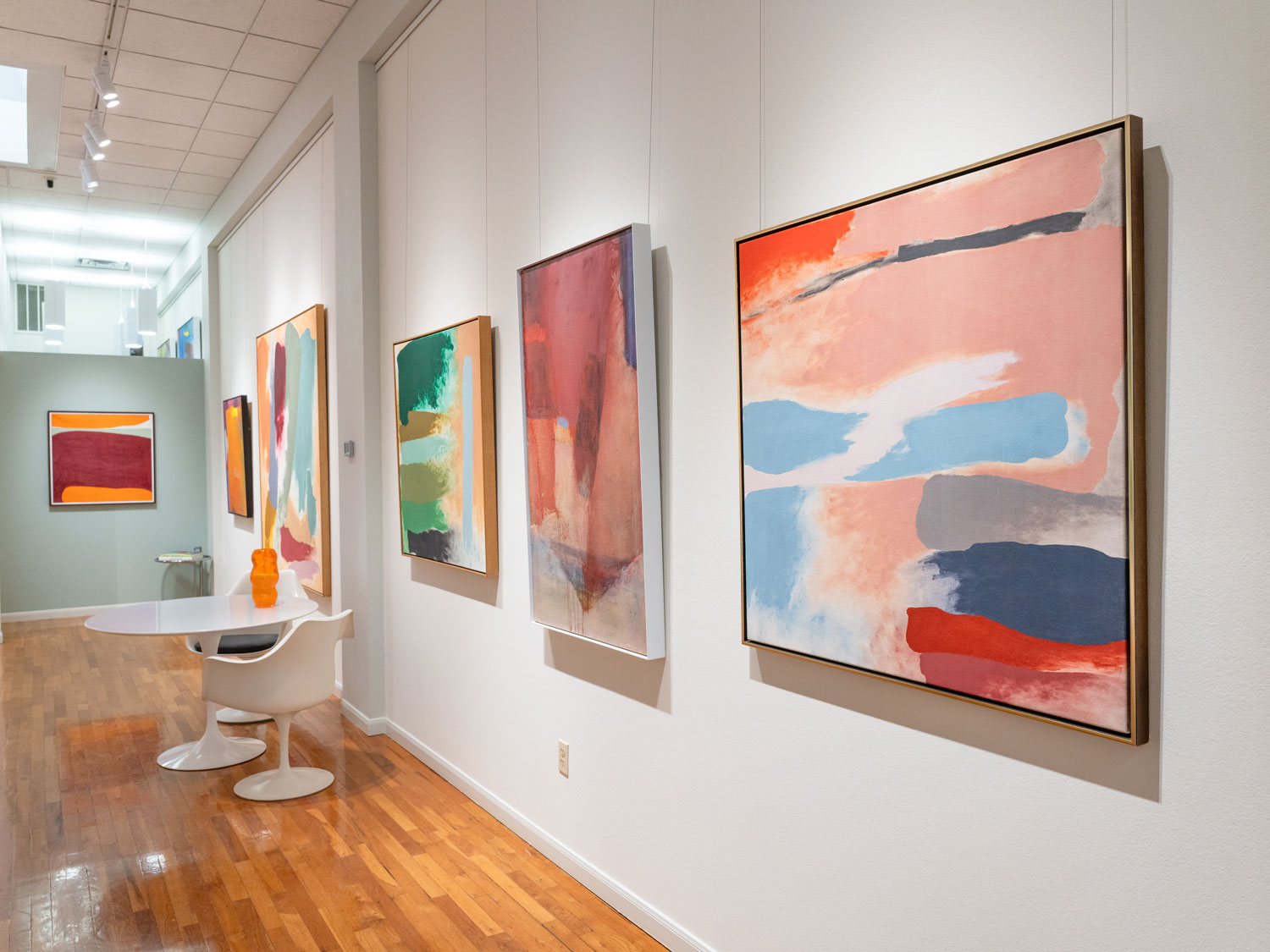
Jody Klotz Fine Art is pleased to present Juxtapositions, an unprecedented dialogue between two of the most widely admired modernist abstract colorists to emerge in America during the 1950s and 1960s, FRIEDEL DZUBAS (1915–1994) and EMILY MASON (1932–2019). The show will include thirty paintings and works on paper made between the 1960s and the last years of both artists’ lives, for Dzubas the 1980s, for Mason the second decade of the twenty-first century. This was a period when younger artists were disrupting traditional modes of art making, turning toward Conceptual art, Pop art, Minimalism, performance art, and later ventures; in the face of these departures Dzubas and Mason solidified their commitment to painted expression, continuing to mine richly emotive visual expression from the mere act of laying paint on canvas. Whether operating on a scale of inches or swelling to monumental expanses as much as eight feet square, these artists’ paintings seem suspended in space, as if levitating through their reciprocal resonance and the sheer energy of a shared conception of the emotive power of color abstraction.
Friedel Dzubas (1915–1994) grew up in Berlin but fled Germany after the Nazis’ rise to power. He had neither familial nor financial support in the United States, and lacked an art-school education, but he nevertheless created a body of work that has become sought after by cognoscenti and today is being newly mined by scholars. Emily Mason (1932–2019) had a very different history: a member of America’s Trumbull family, which had produced artists as early as the eighteenth century, she began her education in art as a teenager and was receiving prestigious awards early in her career. Her surfaces of supple, merging, and overlapping color forms have been collected in depth by major institutions and are prized by collectors. Despite their differing backgrounds, both artists lived and worked in NewYork City nearly in parallel.
While separated in age by a mere decade and working unknown to one another, both artists achieved potent emotional expression through their manipulation of pigmented oils and acrylics, arriving at sensuous abstract color forms through a keen sensitivity to the effects of juxtaposed hues. Even as their general approaches to laying down paint on canvas contrasted—Dzubas was celebrated for his muscular brushwork while Mason generally poured her paints—each partook of the other’s technique, Dzubas at times deploying “finger painting” and blending contour with the surrounding color field and Mason creating palpable textures with brushes, rags, sponges, and a variety of graphic markings. Both aesthetic crossovers and clearly distinct approaches resonate through this efficacious pairing.
Developing their practices in very different contexts—Dzubas in the circle of the critic Clement Greenberg and of the color field painters in Greenberg’s orbit, Mason linked to her mother, the renowned abstract painter and printer Alice Trumbull Mason, and to Emily’s equally esteemed husband, the abstract landscape painter Wolf Kahn—these two artists shared a similar drive to explore how color combinations and their abstract compositional dispositions on canvas give rise to varying emotional responses. Although Dzubas began as an oil painter, he eventually moved on to Magna, a pigmented acrylic miscible in turpentine. To make the diminutive 6 1/2-inch-high sketch for Gateway (1973), for example (Gateway itself was ultimately realized at 6 by 13 feet), he first used a turpentine wash to outline contours that he then filled in with Magna, improvising edges and other terminal points in the moment. Mason, on the other hand, worked in oil paints throughout her career; following a kind of aleatory process, she would layer diluted admixtures of pigment that she then subtly directed by means of counter-pours often followed by deft brushwork, mixing colors in the act of committing them to canvas.
If the techniques of these artists seem at odds, their goals were strikingly similar. The sense of commitment to paint on canvas, at a time when younger artists were moving away from traditional materials, suggests a strong parallel in their ambitions and goals. That color plays a central role in each artist’s work may be obvious, but they differed in the ways they deployed it, and to what ends. Dzubas’s color forms act upon each other, pulsing forward, bending and twisting in shallow space. Color extends laterally and dimensionally, at times suggesting foreground, background, and middle space. In Agmont (1981) and Vilente Morning (1979),color forms cover the canvas here and open to its whiteness there, conjuring the awe and sense of wonder we may feel before a grand landscape. Dzubas controls his tonal language, matching saturated chroma with the hard edges of the forms it fills, as in the strong greens and purples that contrast with high-value pinks and yellows in Nuptials (1978). Such works by Dzubas can be usefully compared to works by Mason, who was also inspired to paint impressions of landscape, as in the evocative dampness of Early April (2003), the burst of fierce oranges in Sudden Morn (1981–82), and the shifting intensities of analogous colors in Syllable of Sound (2005), its title adapted from a verse in an Emily Dickinson poem.
Bringing together these two masters of color abstraction heightens bodily sensation as it overawes sight. The lure of these paintings resides in their materialization of emotion. The felicitous pairing of Dzubas and Mason foregrounds the ways in which emotion can be made material; it also draws out through comparison the assertion of distinctive paint handling, how each artist deploys color complements as visual effects as well as narrational actors in a drama of sudden punctuations and sympathetic vibrations within a field of color. Each artist creates characteristic analogues, color abstractions that parallel how we as viewers experience the world. Their proximity in a single space enhances our own way of seeing, providing a way of linking our visuality to meaning made newly available through this apt juxtaposition.
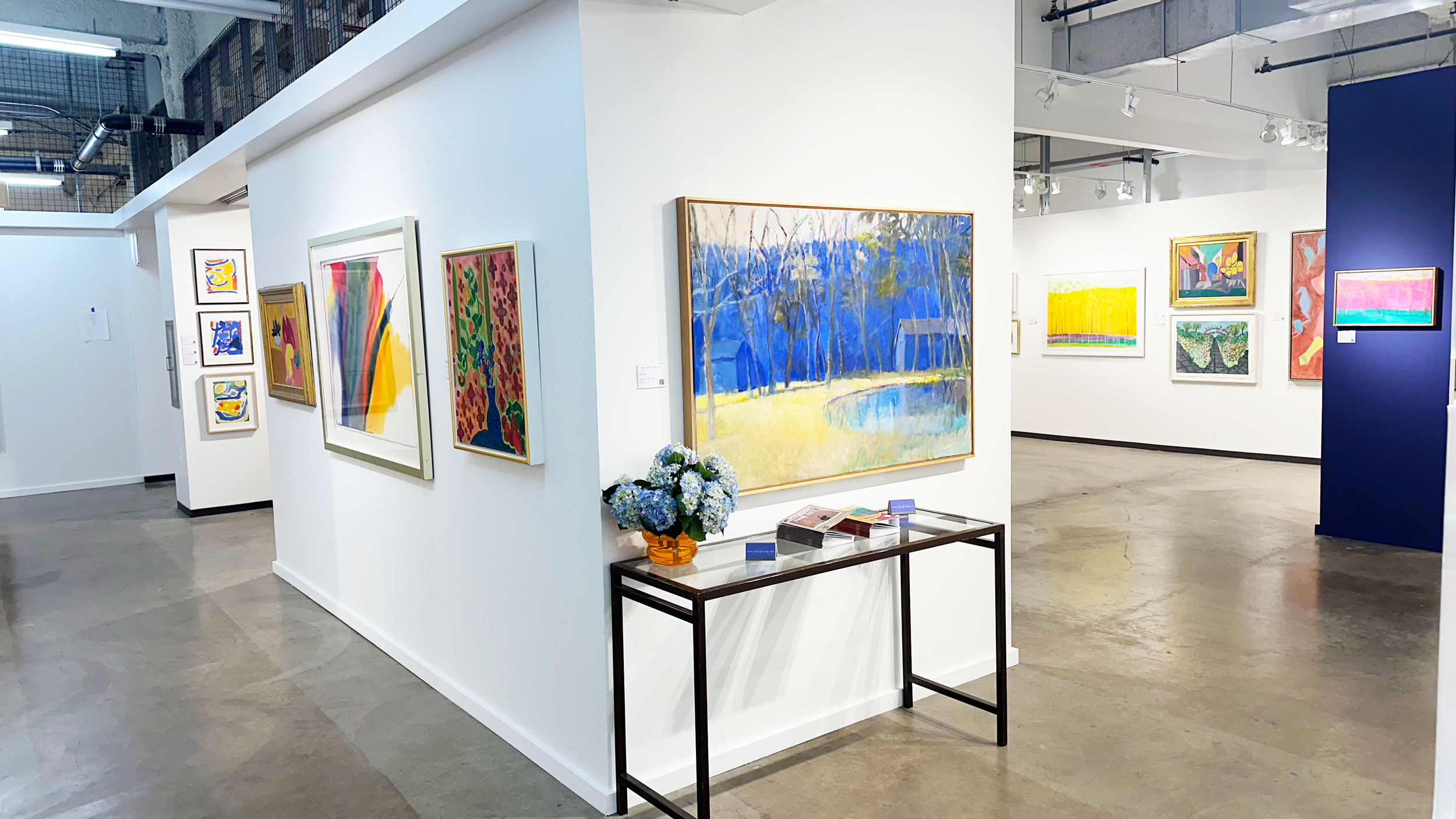
Dallas Art Fair 2025
Juxtapositions
Friedel Dzubas & Emily Mason

Dallas Art Fair 2025


Art Miami 2023

A Magic Place
The Art of Claude Bentley

Carl Holty
Color & Form

Lynne Mapp Drexler
Through the Years


Monday - Friday
9:00 am - 5:30 pm
Evenings & weekends
by appointment


Monday - Friday: 9:00 am - 5:30 pm
Evenings & Weekends
by appointment
.png)